
Love & Relationships
18 May, 2025
6 Effective Conflict Resolution Strategies That Actually Work
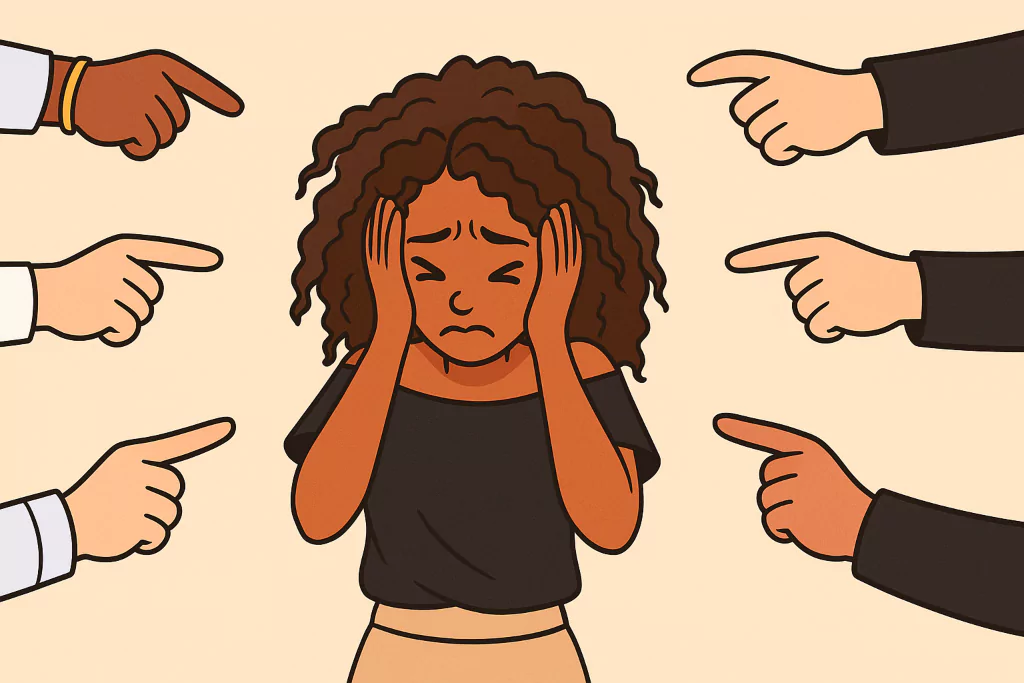
Conflict is part of being human. It shows up at work, in families, between friends, and sometimes even within ourselves. The goal isn't to avoid conflict altogether - that's rarely possible, but to handle it in a way that protects the relationship and moves things forward. Below are six proven conflict resolution strategies, along with when each one actually works best.
Table of Contents
- Avoiding
- Accommodating
- Competing
- Compromising
- Collaborating
- Mediation
- Which Strategy Should You Use?
- FAQ
- Conclusion
1. Avoiding
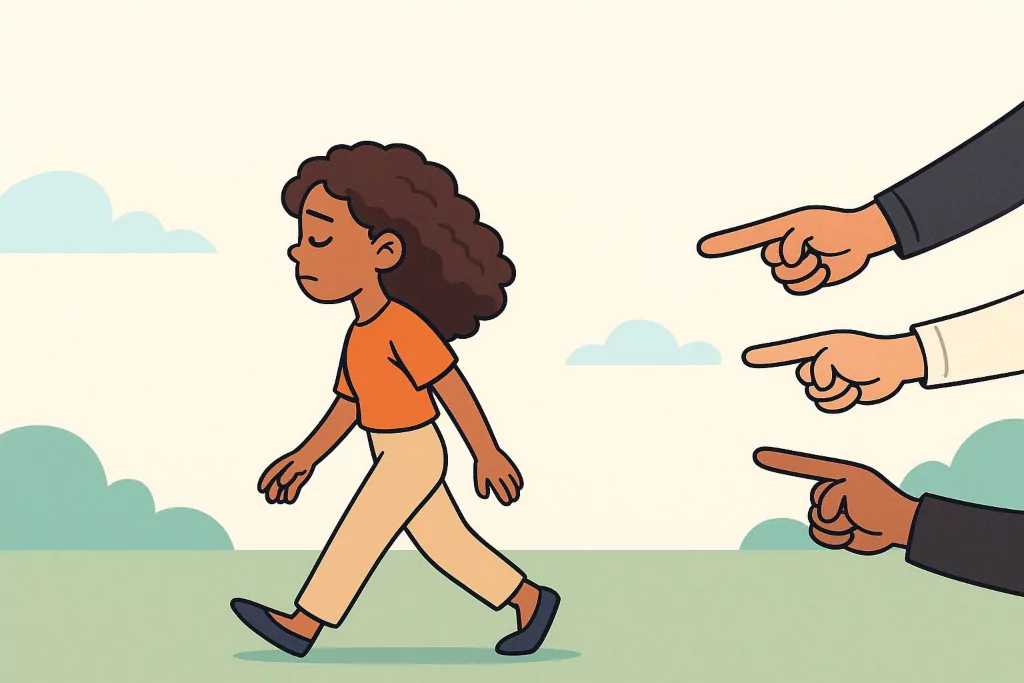
Sometimes the smartest move is to step back rather than engage. If the issue is minor, or emotions are running too hot for a productive conversation, a short pause can stop things from escalating. Avoiding isn't the same as ignoring a problem forever - it's a deliberate cooling-off period that gives both sides room to think clearly. Recognizing your own emotional state matters here just as much as it does in how gratitude changes the way we see the world.
2. Accommodating
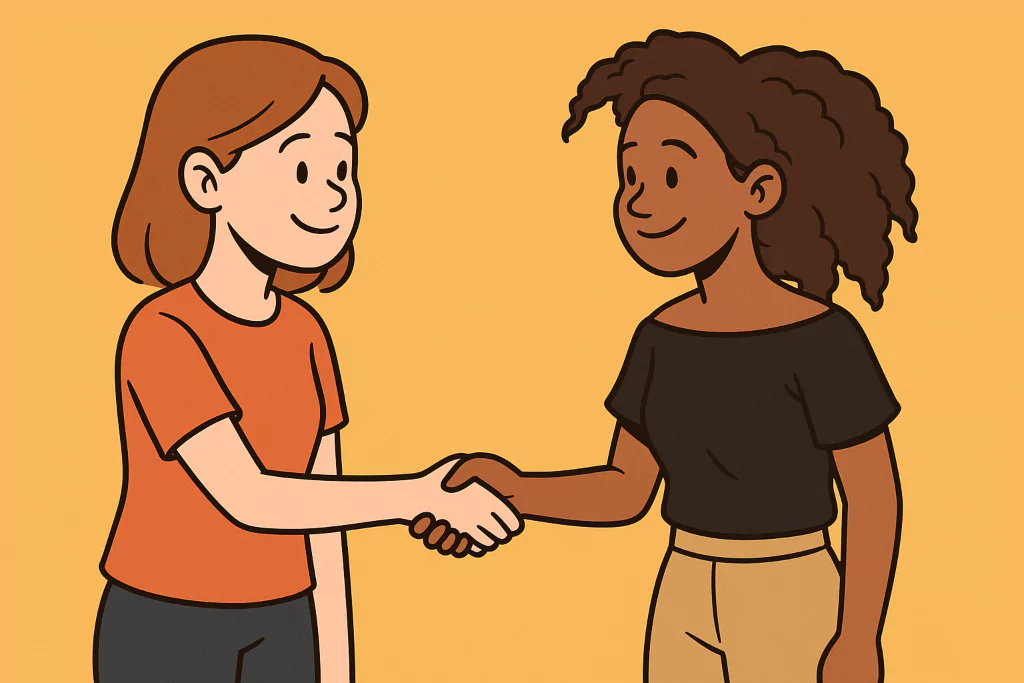
This strategy means setting your own position aside to preserve the relationship. You give the other person what they need, even if it costs you something. Accommodating works well when the relationship matters more than the specific issue at hand - but leaning on it too often can quietly build resentment over time, so it's worth using selectively rather than as a default.
3. Competing
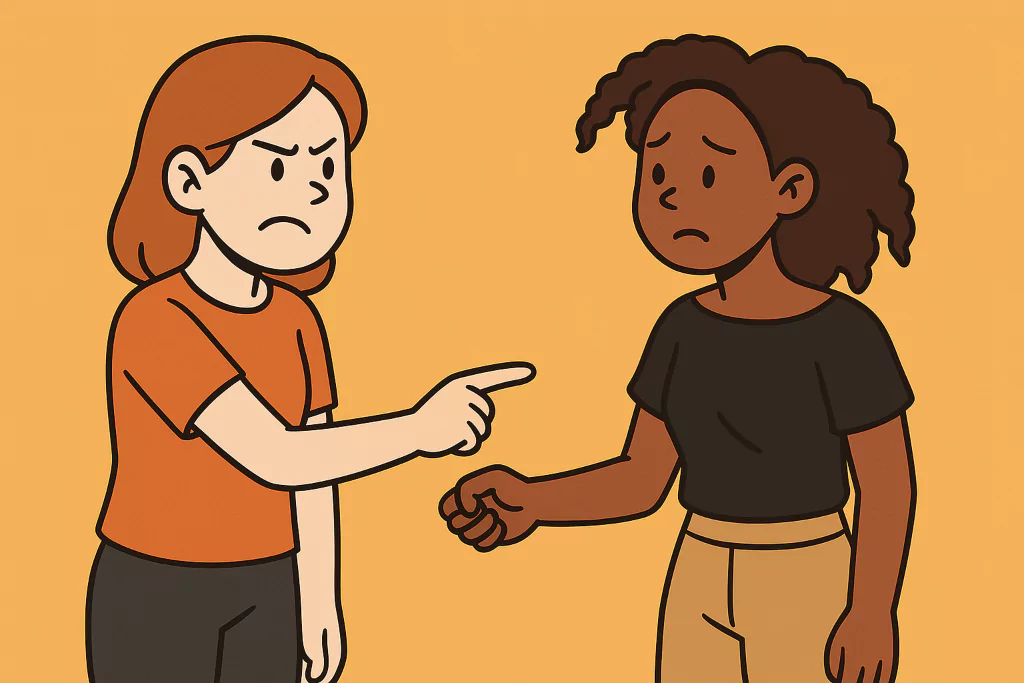
Competing means pushing for your own position, even at the other person's expense. It can be the right call in genuine emergencies, when a fast decision matters more than consensus. Used too often, though, it erodes trust and tends to trigger pushback rather than agreement. For a related look at how influence plays out between partners, see why manipulation tactics work - and how to spot them.
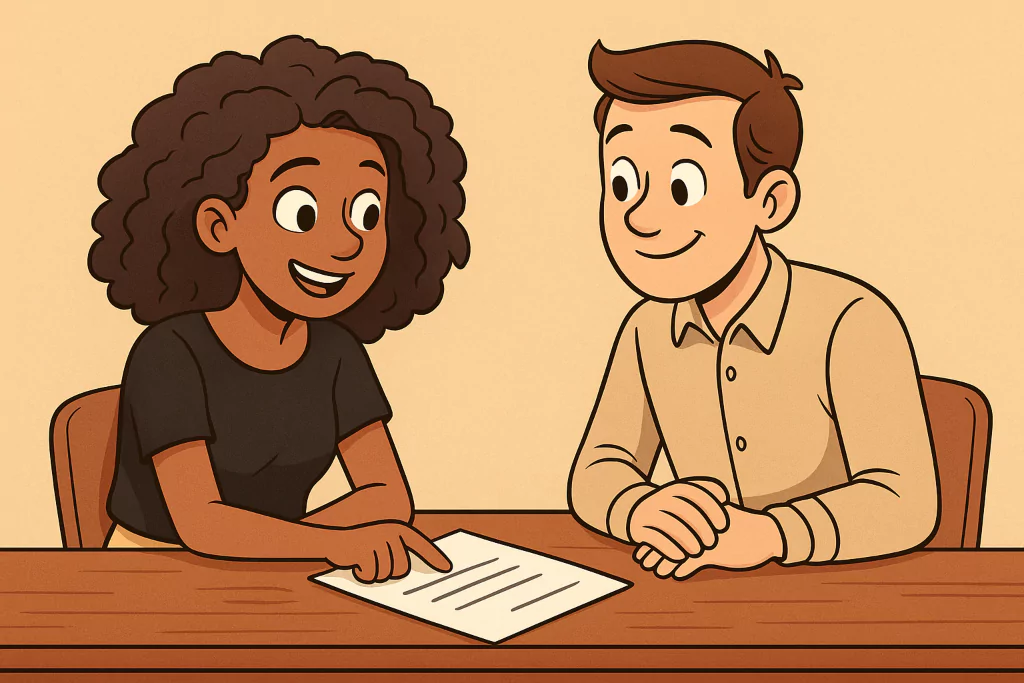
4. Compromising
Compromise means both sides give up part of what they want to land on something workable. It's often the fastest path to a resolution, and it works best when both parties hold roughly equal footing and just need to move forward without dragging things out.
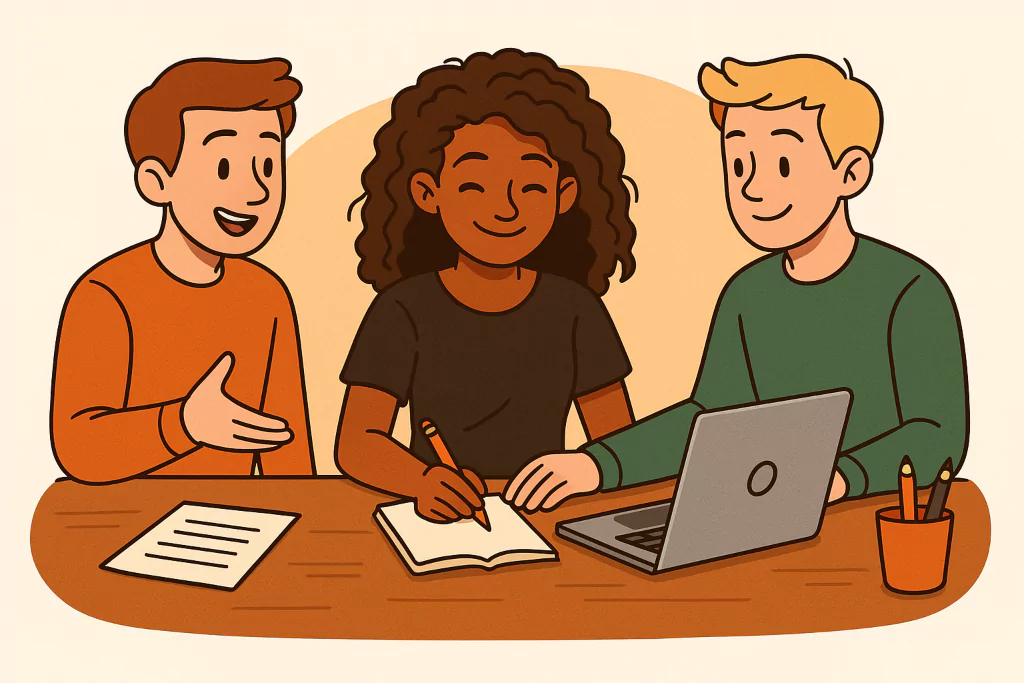
5. Collaborating
Collaborating means working together to find a solution that actually satisfies everyone involved - not just splitting the difference. It takes more time, more trust, and more honest communication than the other approaches, but it tends to strengthen the relationship and prevents the same conflict from resurfacing later.
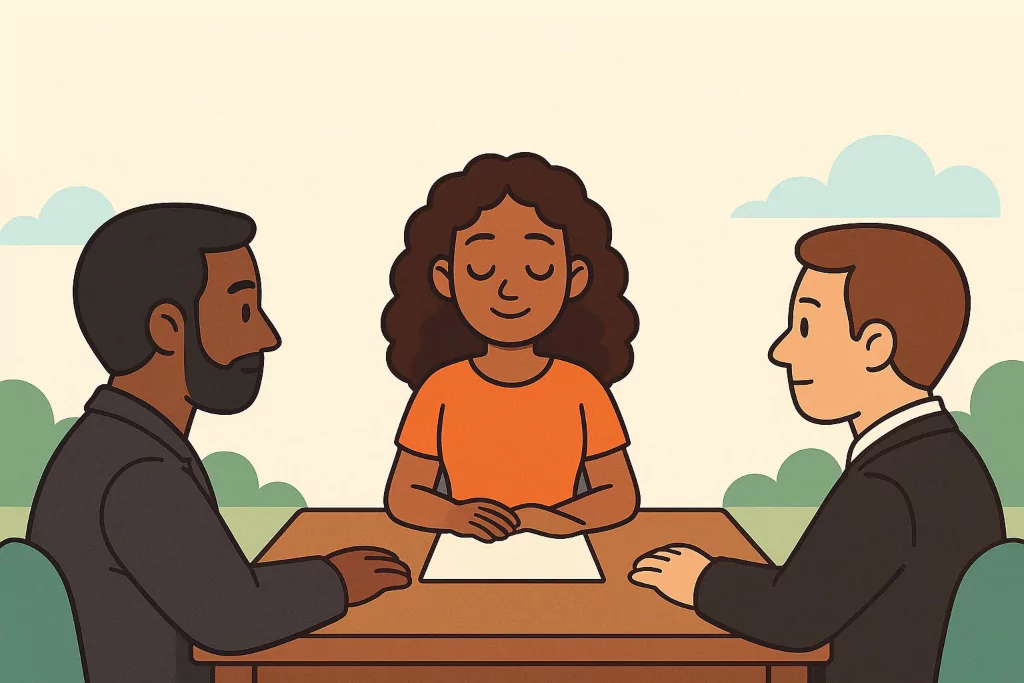
6. Mediation
When two people can't reach a resolution on their own, bringing in a neutral third party can help. A mediator doesn't take sides - they guide both people toward a solution they can both live with while keeping the conversation on track. This approach tends to work especially well for conflicts that are complex or have dragged on for a while.
Which Strategy Should You Use?
There's no single "correct" conflict resolution style - the right choice depends on the situation, what's at stake, and how much the relationship matters to you long-term. A quick way to think about it:
- Low stakes, high emotion: Avoiding
- Relationship matters more than the issue: Accommodating
- Urgent decision, no time to deliberate: Competing
- Both sides need a fast, fair resolution: Compromising
- High stakes, time to invest: Collaborating
- Stuck in a stalemate: Mediation
FAQ
What is the most effective conflict resolution strategy? There isn't one strategy that beats the rest - collaborating tends to produce the most durable outcomes because it addresses everyone's underlying interests, but it also takes the most time and trust to pull off.
Is avoiding conflict always a bad idea? No. Used deliberately -as a short pause rather than permanent avoidance - it can prevent a minor disagreement from escalating into something bigger.
When should you bring in a mediator? When the two of you have tried to resolve things directly and keep hitting the same wall. A neutral third party can help break the stalemate without taking sides.
Conclusion
Conflict isn't something to fear - it's something to manage well. Whether the right move is to step back, meet in the middle, push forward, or bring in outside help depends entirely on the situation in front of you. Handled with awareness, conflict can actually strengthen relationships rather than damage them.
Want more on communication, self-development, and navigating relationships? Follow foxxy.media - we write for everyone, no shame - and share your own experience with conflict resolution in the comments.




Share:


Latest Articles
6 Effective Conflict Resolution Strategies That Actually Work
Discover 6 proven conflict resolution strategies for work, family, and relationships - and learn which approach fits your situation best.

7 signals that a man isn’t serious (and you should move on)
Inconsistent men aren't always the “bad guys.” They are men who are not ready for a serious relationship, and they demonstrate it - albeit not always in the forehead. The main thing is to recognize these signals in time and not to waste time, energy and emotions on them.

How a woman feels cheating physically: what a woman’s body can do
Treason is not only a psychological pain, but also a physical reaction that is hard to ignore. Women, as more sensitive to the emotional background of creatures, often feel betrayal not only with their hearts, but also with their bodies.